
AI’s next frontier: Predicting Extreme Weather
.webp)
Building on Illuminate’s previous deep dives into energy trading, transferable tax credits, and evaluation of physical risk, this blog explores new opportunities to finance the climate transition. What is the next exciting evolution of this thesis? Weather modeling.
Weather volatility and events are increasing at an exponential rate.
In 2024, total global damages from weather disasters reached $402 billion, making it the second-highest year for billion-dollar weather disasters - trailing only 2023. (Source)
The US alone accounted for $182.7bn of losses from weather disasters in 2024. Since 1980, the US has sustained 403 weather and climate disasters for which the individual damage costs reached or exceeded $1 billion. The cumulative cost for these 403 events exceeds $2.915 trillion.
Adaptation to these extreme weather events begins with better weather predictions. There are several vectors through which innovative, early-stage companies are addressing this.
On the input side, we see companies acquiring novel and proprietary data sets through sensor and satellite technology. Others are using breakthroughs in Generative AI, primarily around Graph Neural Networks (GNNs), to create step-function improvements in weather forecasts granularity and processing times.
On the application side, use cases across energy and grid management, supply chains, insurance, retail, and more are finding and addressing acute pain points originating from these extreme weather events and the expected, and unexpected, costs associated with them.
Today’s Numerical Weather Prediction (NWP) models have limitations
The forecasts we all rely upon today are generally provided by large national weather services — notably, the National Oceanic and Atmospheric Administration (NOAA) and National Weather Service (NWS) in North America and the European Centre for Medium-Range Weather Forecasts (ECMWF) in Europe. These models typically operate in prediction windows for up to 10–14 days. (Source) Aka great for predicting tomorrow’s rain forecast, but not great predicting the cold front covering Florida in snow (a timely example as I write this in January 2025).
While these models have improved drastically since the 1980s, they are systematically limited in their ability to provide insights into rare events and more granular forecasts over longer time horizons due to several factors:
Computationally Intensive:
- Existing physics-based models are extremely computationally intensive, requiring 6–7 hours of processing time to update a forecast. (Source)
- One of the main approaches to improving forecast accuracy is to increase model resolution (reduced time step between model increments and/or decreased grid spacing), but due to the high computational cost of this approach, improvements in model skill are hampered by the finite supercomputer capacity available. It can take up to 8x more computing power to double the resolution. (Source)
Limitations on Inputs:
- NWP models can only use a fraction of the observational data that exists today, limiting their accuracy in a world where sensors are increasingly commoditized. (Source)
- NWP tends to forecast more accurately in areas with more sensor readings; unfortunately that means that developing countries with fewer sensor readings are more likely to have, in addition to a higher level of vulnerability to natural disasters, a disadvantage in terms of knowing when they will hit.
Underperformance:
- Early indications for new, ML-based forecasting approaches are encouraging. DeepMind reports its GraphCast model produces more accurate predictions than the ECMWF’s leading HRES model on over 90% of 1,380 test variables and forecast lead times. (Source)
- Forecasting beyond 14 days is notoriously challenging, termed ‘the prediction desert’ by climate scientists.
Potential for 10x improvement in weather forecasting & applications
So where are we seeing a step function opportunity in weather prediction models, and in an enterprise’s ability to use them?
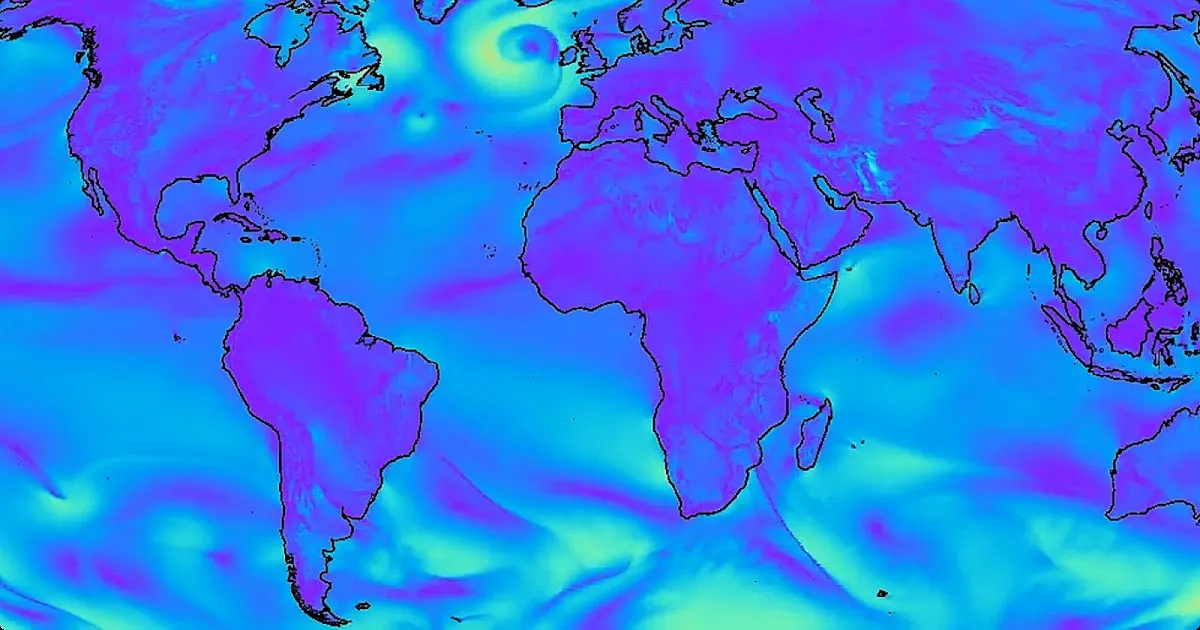
New & improved sensor platforms
- We are seeing both novel and improved sensors alongside a crop of companies building low-cost sensors across unique domains.
- These sensors enable us to collect new forms of data that can make existing models more accurate and increase the scope of areas that may have been previously excluded altogether.
AI models for weather
- AI and ML applications offer a different approach: using observational data instead of physical equations to create a weather forecast system.
- Machine learning has proven to be a valuable tool in processing the raw data to produce high-frequency environmental data products. The inference efficiency of GPU accelerated computing with deep learning enables low-latency predictions.
New use cases
- Enterprises are becoming increasingly aware of the acute costs associated with weather events, whether through more frequent supply chain disruptions, the rise of insurance premiums to underwrite commercial properties, or the impact on energy supply for critical processes and workflows.
Novel sensor products are creating unique data sets for weather models
Sensors provide a continuous, highly localized record of changing temperatures, winds, and pressure. Satellite images, by contrast, capture environmental changes at longer intervals and lower resolution. Each have their own benefits & challenges when it comes to gathering and using the data.
Earth Observation & Space Data:
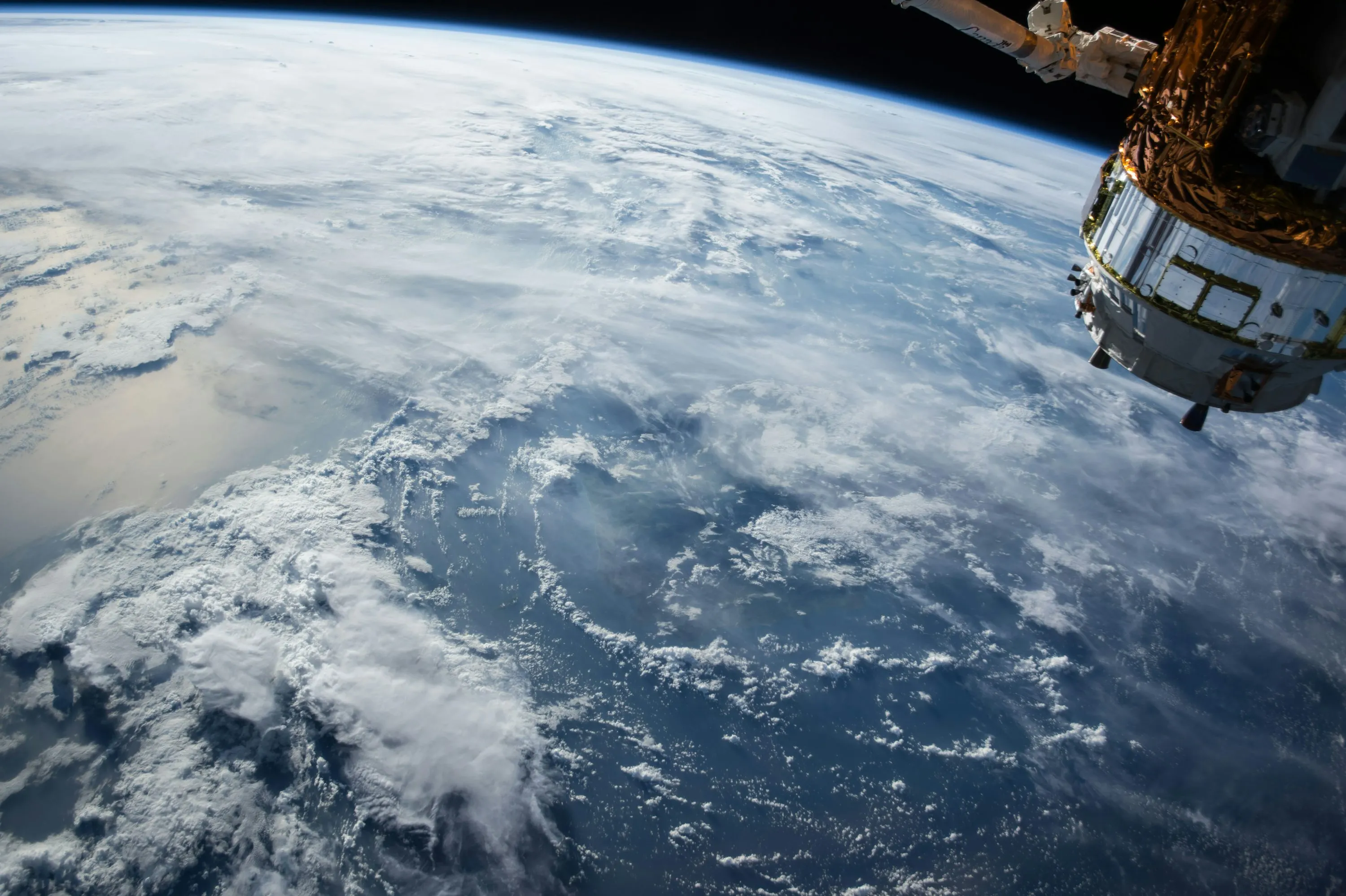
- Some data predicts that <10% of satellite data is currently assimilated into weather forecasts.
- Geostationary (GEO) satellites orbit the Earth at the same rate that the Earth rotates, which allows them to remain over the same spot on the planet at all times. They are ideal for monitoring weather patterns, precise atmospheric movements, and tracking the movement of storms.
- Companies building in this space include: Tomorrow.io, Spire, Climavision, and Maxar
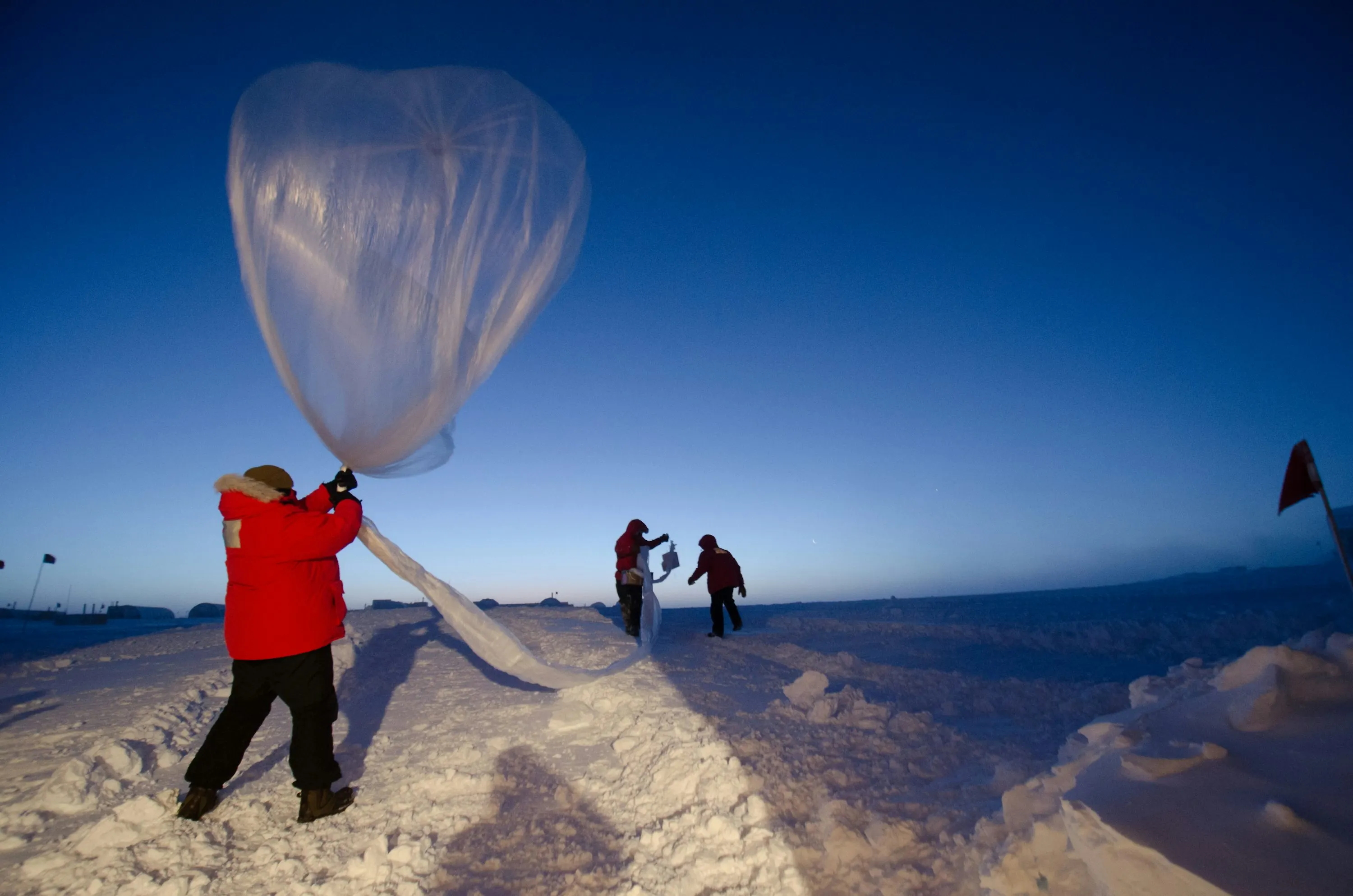
Long-duration Balloons
- Long-duration balloons offer significant advantages over traditional weather balloons.
- They are particularly valuable for collecting data in poorly observed areas (over 85% coverage), such as over oceans, and in regions of high forecast sensitivity, like cyclogenesis regions of severe storms.
- Other benefits include extended flight times (40-day flight time versus 2-hours) and larger sampling windows.
- Companies building in this space include: Windborne and Aerostar
Press enter or click to view image in full size
Ocean & Maritime Sensors
- These sensors are deployed on various platforms, including buoys, ships, and offshore structures, to measure a wide range of meteorological and oceanographic parameters.
- Current sensor coverage compared to the total ocean area is predicted to be possibly less than 1%.
- Companies building in this space include: Sofar, XOCEAN, and NextOcean
As new sensor networks expand and model resolutions increase, data volume is expected to grow to over 100 TB per day within the decade. However, assimilating these new data into NWP models to provide accurate multiscale analyses remains challenging. (Source)
A (simplified) understanding of AI weather models
New weather forecast algorithms use visuals — patches of charts that indicate humidity, temperature, and wind speed at various layers of the atmosphere. (Source) Instead of being interested in a Large Language Model looking at a text sequence, you’re looking at spatial-temporal data, which is represented in images. When using these patches of images in the model, you have some notion of their relative positions and how they interact. (Source)
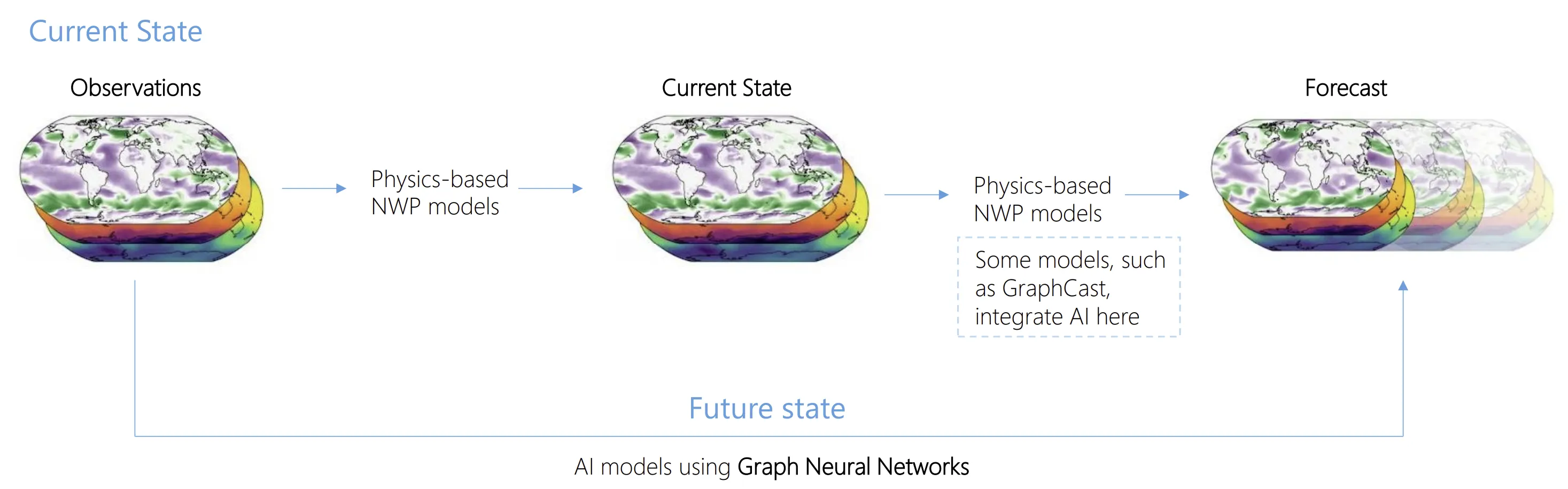
Time horizons matter when assessing weather models & their applications. Different companies tackling the weather space have found their own wedges categorized by the time-horizons across which they predict, as well as unique inputs, such as the sensor data mentioned above.
Press enter or click to view image in full size
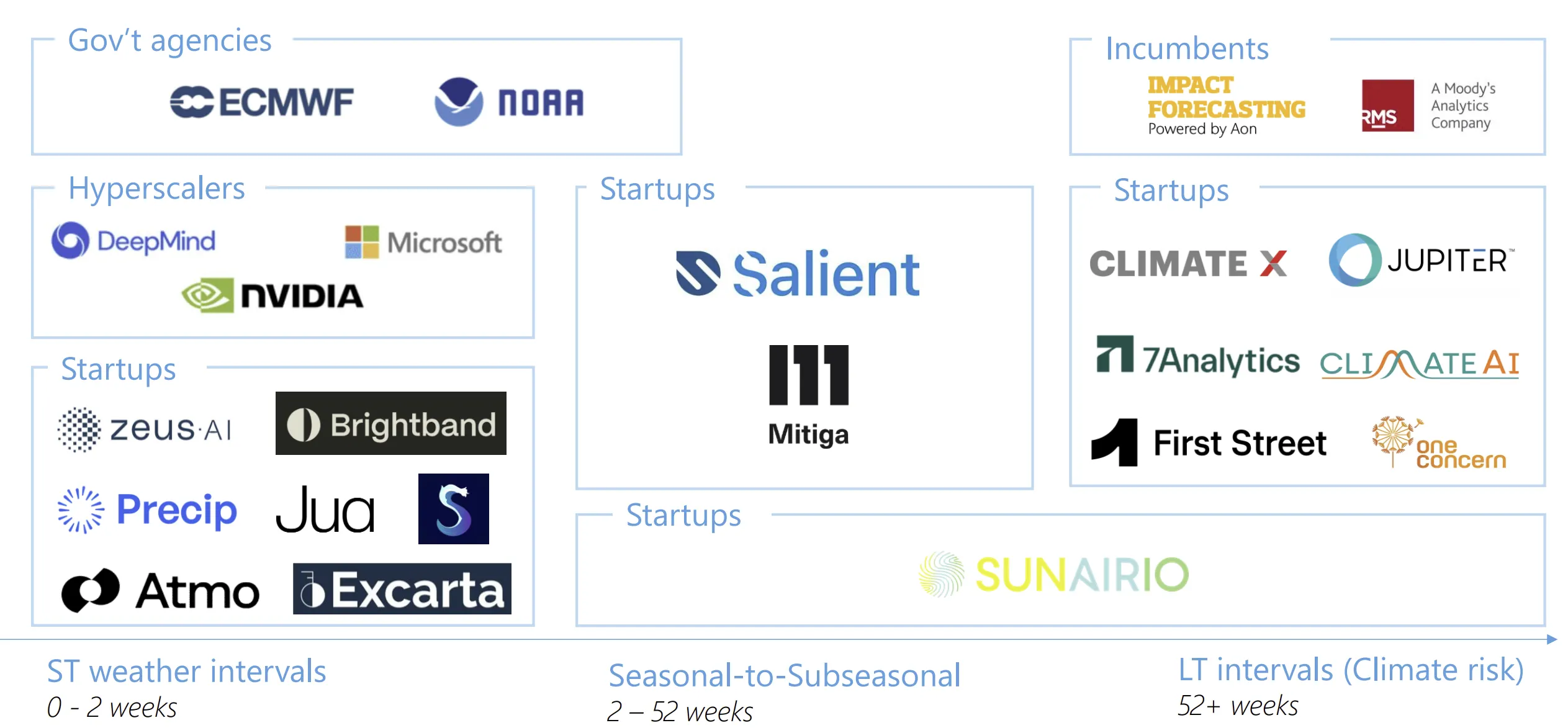
New enterprise use cases
High value opportunities for weather models include disaster mitigation and preparation for state and local governments; mission planning for defense; route planning and ground operations for airlines; route optimization for logistics companies; energy-demand forecasting for utilities; new insurance coverage models; and conditions-based marketing for the travel and leisure industry. (Source)
“Historically, weather primarily governed demand; now it also governs supply.”
Energy
- Energy trading: Hedge price volatility in financial & wholesale markets for intra-day and day-ahead trading
- Asset management: Quantify generation needs based on renewable supply forecasts for hydro, wind, batteries and solar for assessing new investments and for ongoing portfolio management
- Maintenance: Determine optimal timing for asset maintenance scheduling
- Companies building in this space include: Erode, Neara, and Gridware
Underwriting & Insurance
- Underwriting and Risk assessment: Insurance companies and lenders increasingly use weather data and models to evaluate the likelihood of weather-related losses for specific properties or regions.
- Parametric insurance: Some insurers use weather data to develop parametric insurance products, which pay out based on predefined weather parameters rather than actual losses.
- Reinsurance: Reinsurers use advanced models to determine risk factors of weather events and create increasingly flexible year and sub-year risk transfer products.
- Companies building in this space include: Eventual Climate, Sensible Weather, Kettle, and ZestyAI
Agriculture
- Crop planning: Forecast crop yields by simulating the impact of weather conditions on plant growth and development.
- Harvest management: Market optimal seeds and plan sales operations for upcoming growing seasons
- Hedging & pricing: Forecast accurate agricultural yields for pricing and trading
- Trading and Commodity markets: Generate alpha in commodity trades based on enhanced accuracy
- Companies building in this space include: Finres (an Illuminate portfolio company) and Benchmark Labs
Supply Chain Logistics
- Shipping & Maritime: Optimize shipping conditions and trade routes for transport of perishable goods
- Pricing and transportation routes: Price cargo based on transportation constraints (e.g., river levels)
- Inventory management: Produce and stock appropriate products and supplies based on key weather variables.
- Aviation: Accurate wind forecasts help optimize flight paths for fuel efficiency.
- Construction: Scheduling the use of weather-dependent equipment
- Companies building in this space include: EHAB and DTN
Retail, Consumer & More
“Weather forecasts are checked over 300 billion times per year in the U.S., and close to nine out of 10 adult Americans obtain weather forecasts three or more times each day.”
- Demand forecasting: Precise models allow retailers to anticipate demand fluctuations for specific products based on expected weather patterns.
- Government & Defense: Intelligence and surveillance, space programs, and public health divisions are key buyers.
- Companies building in this space include: AccuWeather, ClimateView, and The Weather Company
We will share these findings with the climate tech community as we continue to refine our thinking, test our assumptions, and identify what a winner looks like in this space.
Let’s chat!
If you are a like-minded investor or early-stage company building at the intersection of finance and climate, we would love to chat with you. Feel free to reach out to me, Alex, at ag[at]illuminatefinancial.com.
Illuminate Financial is a thesis-driven enterprise fintech venture capital fund looking to partner with companies building technology solutions for financial services.